Tray fillers
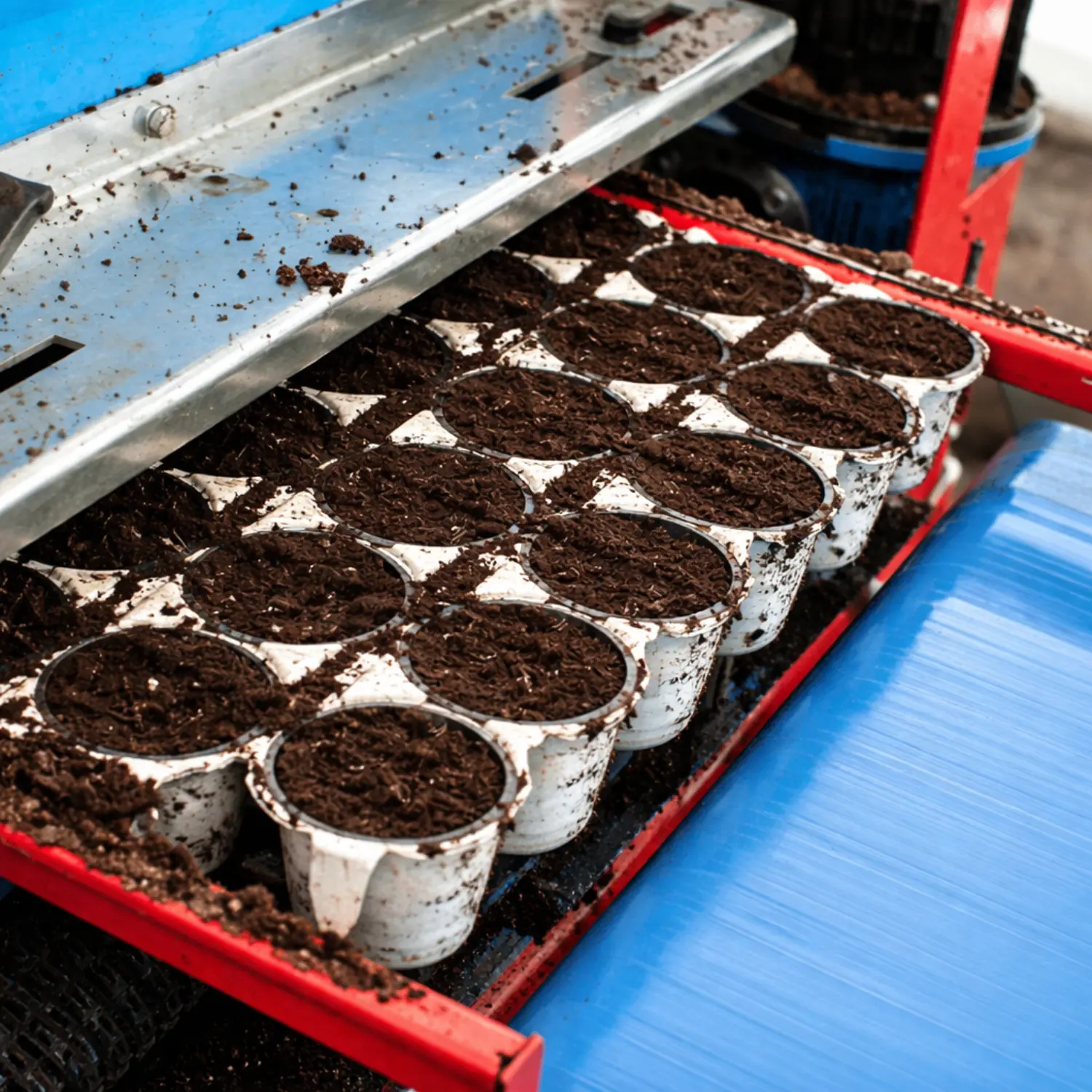
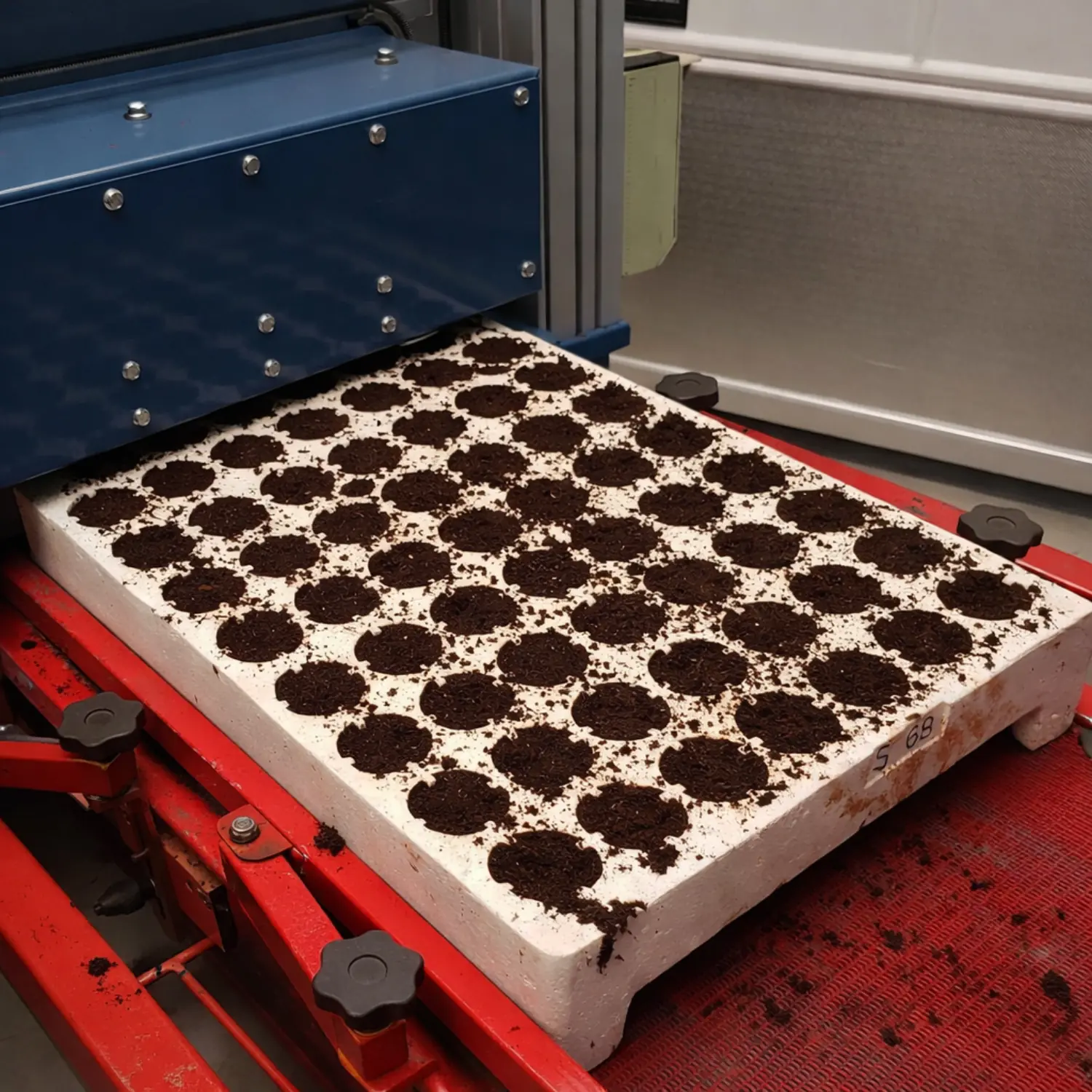
Professional tray fillers provide the foundational precision required for uniform germination and plant development in commercial nursery and greenhouse environments. These systems automate the distribution of substrate into polystyrene or plastic containers, ensuring consistent density and surface preparation for subsequent seeding or transplanting stages.
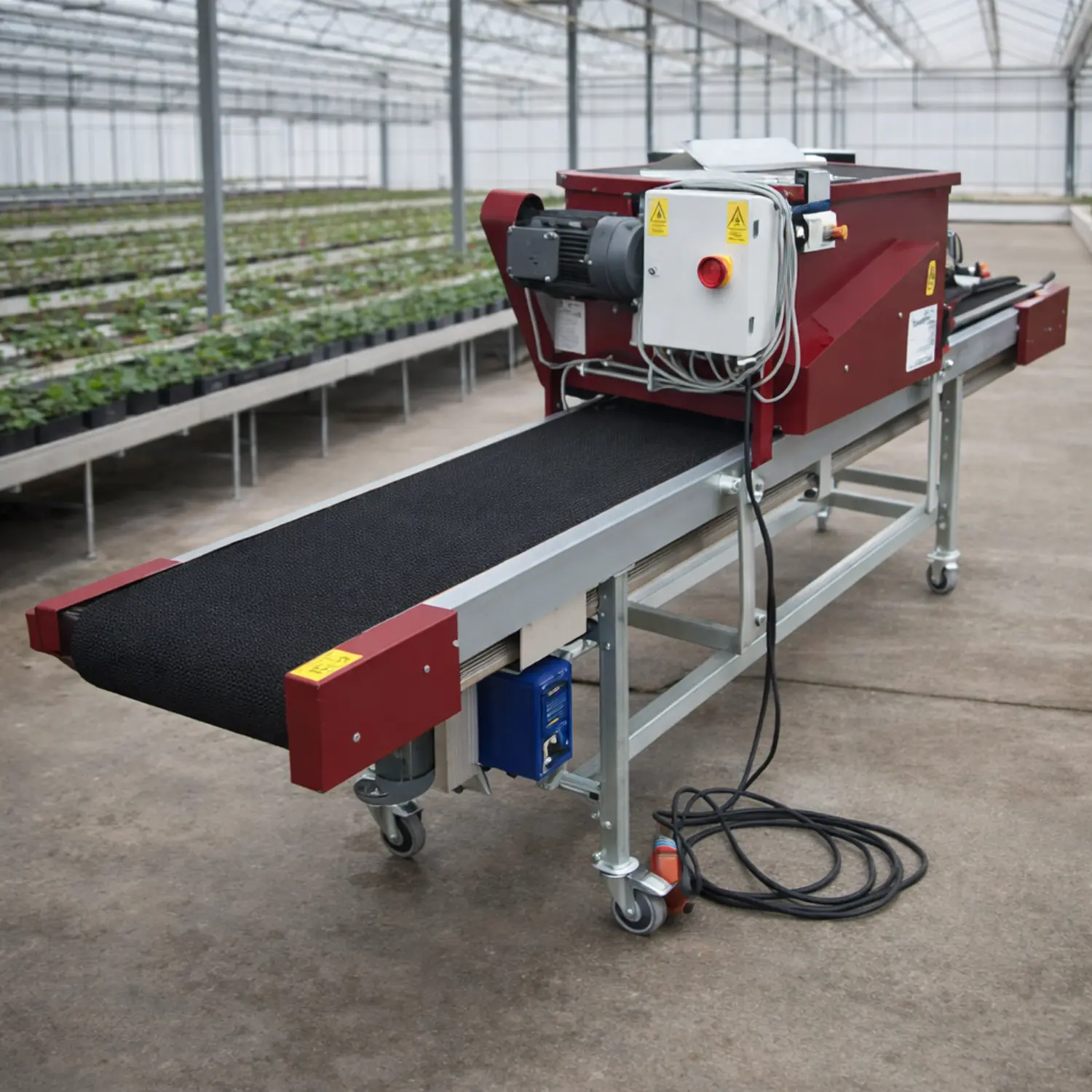
System Overview
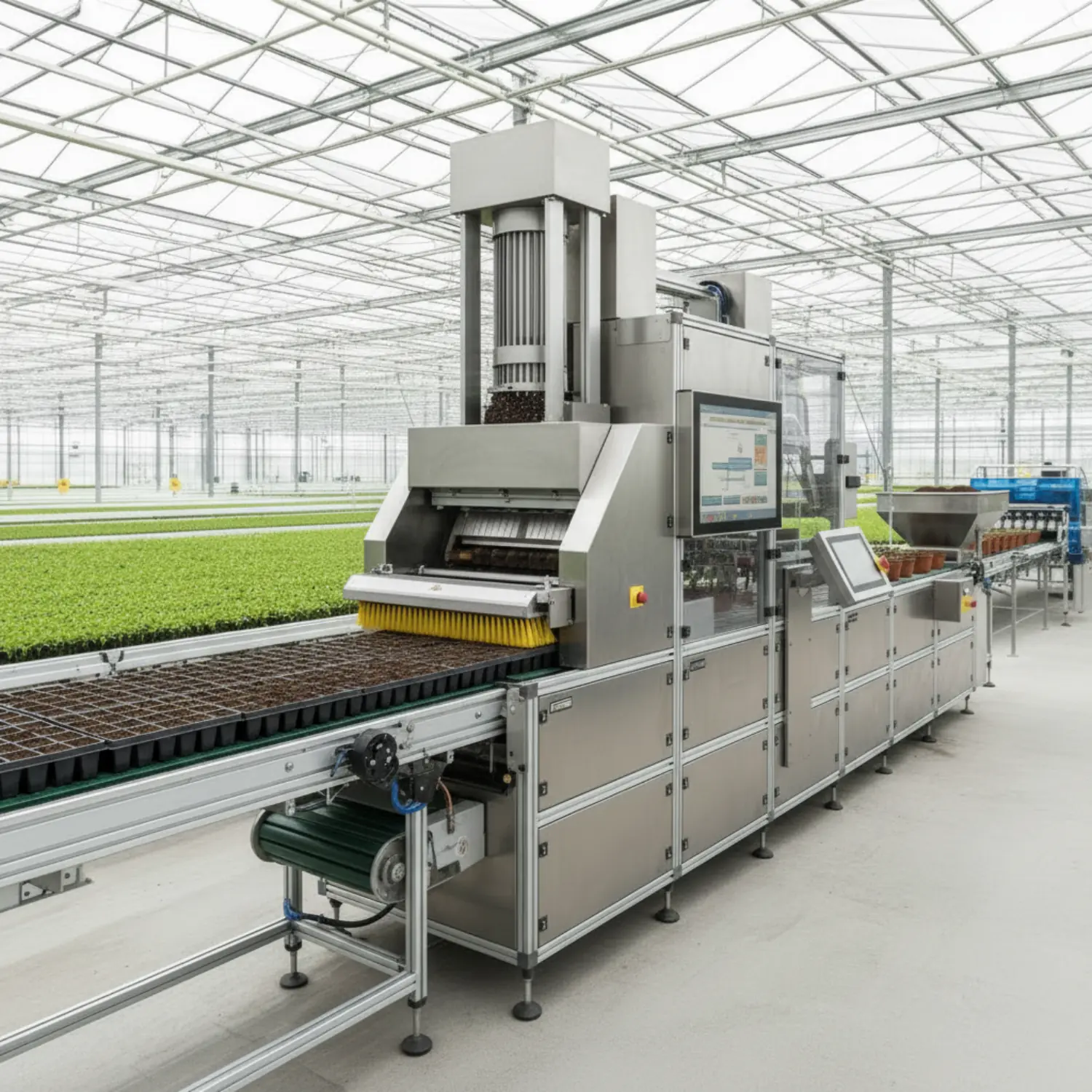
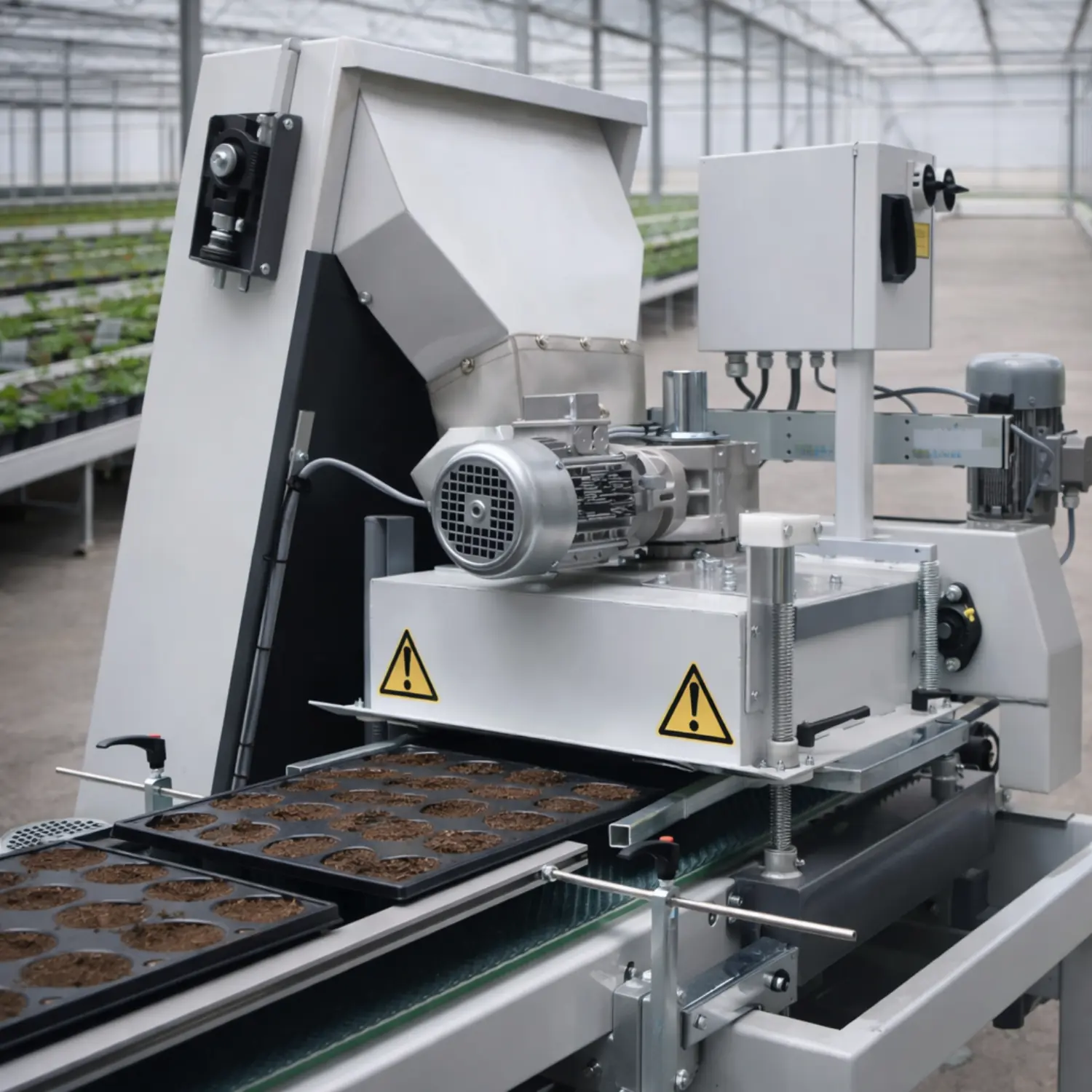
Modern filling equipment ranges from compact, mechanical units for specialized batches to high-capacity electronic models integrated with PLC recipe management. These machines utilize adjustable vibration and rotary filling heads to achieve repeatable substrate compaction across various tray configurations and soil types.
By automating the feeding and distribution process, these systems serve as critical nodes within a larger controlled-environment agriculture (CEA) workflow. They can operate as standalone stations or as synchronized components within fully automated seeding and transplanting lines, maintaining high-throughput fluidity without compromising filling quality.
Key Benefits for Professional Use
Process Repeatability: Achieve even substrate distribution and uniform density, which are essential for synchronized crop growth.
System Integration: Seamlessly interface with existing tray denesters, seeders, and transplanters via centralized control panels or independent operation modes.
Resource Efficiency: Integrated recovery conveyors and mills recirculate excess material, reducing substrate waste and maintaining a clean production environment.
Operational Scalability: Modular hopper capacities—ranging from 650 to 2,000 liters—support both specialized nursery trials and continuous industrial production.
Reduced Labor Dependency: Automation of the filling and cleaning cycle allows for higher output with minimal manual intervention.
Typical Applications
Commercial Nursery Propagation: High-speed filling of multi-cell plastic or polystyrene trays for vegetable and ornamental starts.
Specialized Pot Loading: Utilizing custom perforated belts to fill protruding pots within holders while preventing substrate accumulation in interstitial spaces.
Inline Seeding Operations: Primary substrate preparation for high-performance tray fillers feeding automated drum or needle seeding lines.
Industrial Transplanting Lines: Providing consistent potting foundations for automated transplanting robots in large-scale greenhouse facilities.
Substrate Preparation: Integrated milling and shredding of compressed peat or soil mixes to ensure optimal texture before container entry.
Technical Consultation and Project Support
Selecting the appropriate tray fillers requires a detailed analysis of your container specifications, substrate characteristics, and desired throughput. We offer technical support to assist in production layout design and the integration of automated components into your existing facility. Our team is available to discuss specific scalability requirements and the synchronization of electronic controls across your production line.
Need help? Contact us
For personalized assistance or inquiries, our dedicated team is here to help. We’re committed to providing you with exceptional support and guidance, ensuring that all your needs are met efficiently and professionally.